Does Homeowners Insurance Cover Mold After a Storm?
Mold after a Lowcountry storm raises a coverage question: wind or flood? General guidance for Mount Pleasant homeowners on what to ask your agent.
Call now to speak to a specialist
Call (888) 318-2605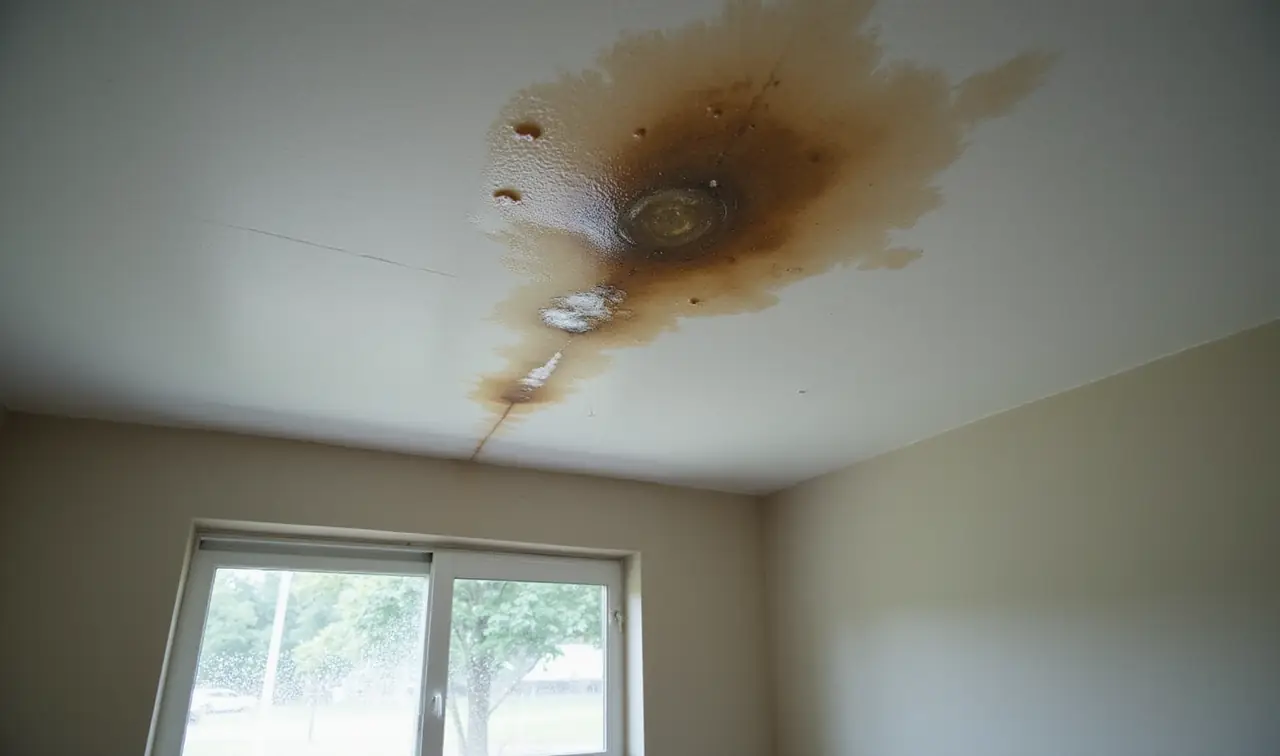
Homeowners insurance may cover mold after a storm when the mold follows a covered cause, such as wind-driven rain entering through a storm-damaged roof, but flood damage is generally handled under a separate flood policy. What your policy actually pays depends on its wording and on how the water got in. This is general guidance for Mount Pleasant homeowners, so check your own policy and ask your agent.
Does homeowners insurance cover mold after a storm?
Homeowners insurance sometimes covers mold after a storm, depending on the policy and the cause of the water, and many policies set limits or exclusions for mold specifically. There is no single answer that fits every home.
Three things shape the answer:
- The cause. Water from a storm-damaged roof or a broken window is not the same as water that rose from the ground.
- The policy language. Mold may be covered, limited, excluded or available as an add-on.
- What you did after. Policies often expect you to protect the property from further damage.
We do not make claims about any specific insurer. A mold company cannot tell you what your policy pays. Your agent and your policy can.
Wind and rain versus flood: the line that matters
The line that matters most in Mount Pleasant is wind versus flood, because flood insurance is separate from homeowners coverage and the two respond to different kinds of water. A hurricane can cause both in the same night.
In general terms:
- Wind and wind-driven rain. Water that enters through storm damage to the roof, siding or windows is often handled under the homeowners policy, subject to its terms.
- Flood and storm surge. Water that rises from outside, such as tidal flooding, king tides pushed by a storm or surge, is generally a flood policy matter, not a homeowners one.
- Both at once. In a hurricane, damage can overlap, and sorting out which water did what can take a careful look and documentation.
Many homes in the Lowcountry sit in low areas near the marsh, the creeks and the Cooper and Wando rivers, so this is a practical question, not a hypothetical one. Ask your agent which kinds of water your policies address before storm season, not after.
Why the cause of the water drives the answer
The cause of the water drives the answer because insurers generally separate sudden storm damage from slow, ongoing moisture. Mold that follows a sudden covered event is treated differently from mold that grows because of a long-running leak or poor ventilation.
An example: a branch punches a hole in your roof during a tropical storm, and rain soaks the ceiling and attic insulation. That is a storm event with a clear start. By contrast, a roof leak that went unnoticed for months, or a crawl space that stays damp every summer, is more likely to be viewed as a maintenance problem.
This is why quick action matters twice over. Mold can start on wet materials within 24 to 48 hours, and prompt drying shows you took reasonable steps. If the damage is in the attic, Attic Mold Removal in Mount Pleasant is the service to ask about when you are connected with an independent local company.
What homeowners policies often say about mold
Homeowners policies often say that mold is covered only when it results from a covered peril, and they may cap the amount or exclude certain kinds of mold damage. These terms vary widely.
Common features to look for in your own policy:
- A mold or fungi exclusion, or a sub-limit for mold.
- An exception that restores coverage when mold results from a covered water loss.
- Language about gradual or repeated seepage.
- Separate deductibles for wind or hurricane events.
- Requirements to mitigate further damage.
Read the declarations page and any endorsements. If the language is unclear, ask your agent to explain it in plain terms and to put the answer in writing.
Questions to ask your agent
The questions to ask your agent are about cause, limits and process. Asking before you hire work protects you.
- Does my policy cover mold, and is there a limit?
- Does it matter whether the water came from wind-driven rain or from flooding?
- Do I have a separate flood policy, and what does it cover?
- What documentation do you need from me?
- Do I need your approval before work begins?
- Is there a separate deductible for a named storm?
Bring your photos, your policy number and a short timeline. Keep a log of every call, with the date and the person you spoke with.
What to document after a Lowcountry storm
After a Lowcountry storm, you should document the damage before you clean up, because photos and notes are the best record of what happened and when. Take wide and close shots, include waterlines, and note where the water entered.
Good records include:
- Photos and video of each affected room, attic and crawl space.
- Notes on how and where water got in.
- Receipts for drying equipment, repairs and temporary housing, where relevant.
- Dates for when you noticed moisture and when you started drying.
If you are not sure how far moisture or growth has spread, Mold Inspection and Testing in Mount Pleasant is the service to ask about. For flood-related work specifically, Storm and Flood Mold Cleanup in Mount Pleasant covers what that kind of cleanup involves. EPA guidance says mold after flood or sewage water usually needs a professional.
Common mistakes after a storm
The most common mistake after a storm is assuming one policy covers everything, because wind and flood are different coverages and the paperwork reflects that.
- Assuming flood is included. It generally is not.
- Throwing everything out first. Photograph and document before discarding.
- Waiting to report. Delays can create questions and let damage grow.
- Doing large cleanups without telling your agent. Ask first if you can.
- Ignoring the moisture source. Cleaning mold that returns because the leak persists does not solve the problem.
When to call a professional
You should call a professional when mold covers more than about 10 square feet, appears after flood or sewage water, keeps returning, or involves your HVAC system. EPA guidance points to professionals for those cases.
Mold Removal Mount Pleasant SC is a referral phone line. We connect you with an independent local mold remediation company that serves your area. That company inspects, explains scope and timing, and does the work directly with you. For the overall process, Mold Remediation in Mount Pleasant explains how containment, removal and drying work together.
Homeowners nearby are asking the same questions. People in Daniel Island often look at Mold Removal in Daniel Island, and older historic homes on the peninsula are covered by Mold Removal in Charleston.
For health questions, talk to your doctor. The CDC and the SC DES Indoor Mold page have guidance, and the SC DES mold hotline is 888-815-3509.
Frequently Asked Questions
These are common questions about insurance and mold after a Lowcountry storm.
Get help with Mold Removal in Mount Pleasant
If storm water got into your home, call (888) 318-2605 and describe what happened. You will be connected with an independent local mold remediation company that serves Mount Pleasant and the surrounding Lowcountry.