Does Renters Insurance Cover Mold? A Guide for Mount Pleasant Renters
Mold in a rental property raises two questions: who fixes it, and does renters insurance pay? A plain guide for Mount Pleasant and Lowcountry renters.
Call now to speak to a specialist
Call (888) 318-2605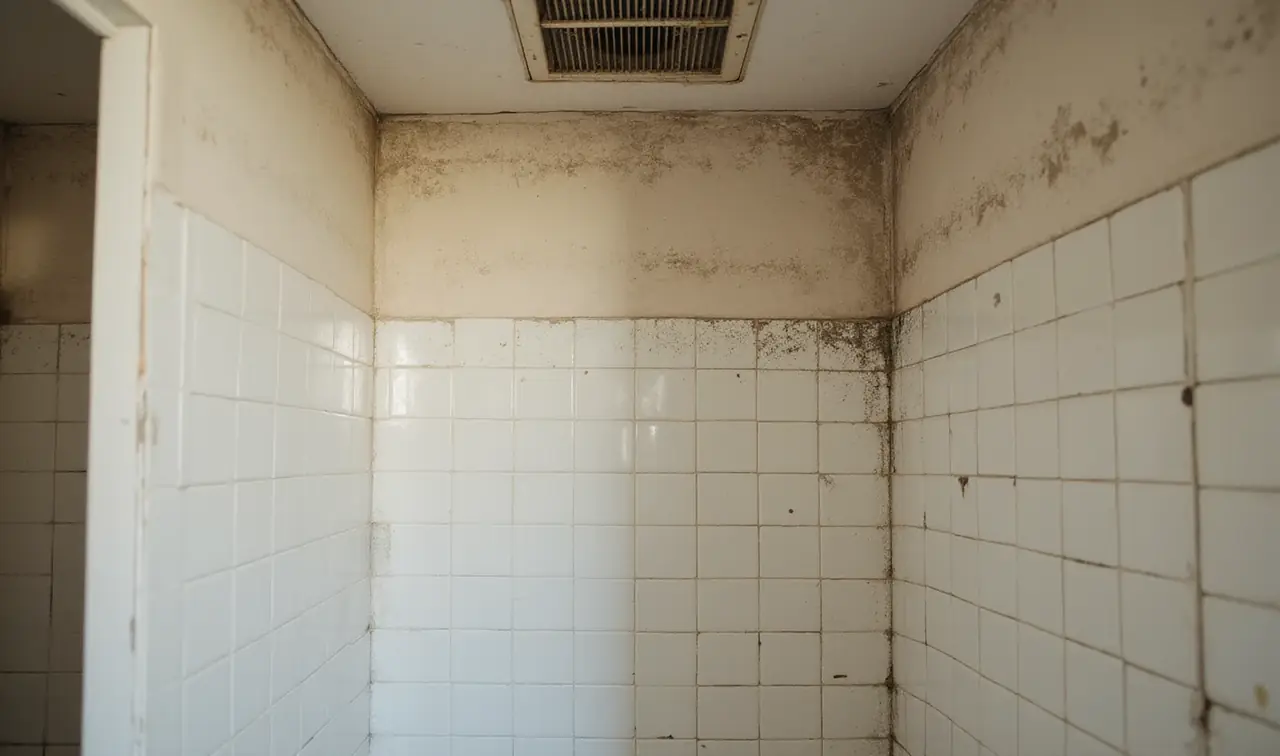
Renters insurance sometimes covers mold, but only when the mold comes from a sudden, covered event such as a burst pipe, and often not when it comes from long-term humidity or neglected leaks. Whether your policy responds depends on its wording and on what caused the moisture. This guide gives general information for Mount Pleasant renters, so check your own policy and ask your agent before you decide anything.
Does renters insurance cover mold?
Renters insurance may cover mold damage to your belongings when the mold follows a covered cause of loss, and many policies limit or exclude mold that results from ongoing moisture, humidity or maintenance problems. That is the general pattern, not a promise about any particular policy.
The cause drives the answer. A pipe that bursts and soaks your couch is a sudden event. A window that has leaked slowly for months, or a bathroom that never dried out, is a gradual problem, and policies tend to treat the two very differently.
Policies also vary in how they handle mold itself. Some list it as excluded, some cover it only up to a limit, and some add it back through an endorsement. Only your policy language and your agent can tell you which applies to you. We do not make coverage claims for any insurer.
What a renters policy is built to protect
A renters policy is built to protect your personal belongings, add liability protection, and often help with extra living costs if your unit becomes unlivable after a covered loss. It generally does not insure the building itself.
That distinction matters for mold. The walls, framing, flooring and HVAC system belong to the landlord, and the landlord's own property coverage is a separate matter. Your policy looks at what you own: furniture, clothing, electronics, bedding and similar items.
If mold ruins a mattress or a closet full of clothes after a covered water event, your policy may be part of the conversation. If mold is growing on a bathroom ceiling because the exhaust fan never worked, that is a building condition, and the first call is to your landlord.
Why the cause of the mold matters
The cause of the mold matters because insurers generally separate sudden and accidental water damage from slow leaks, seepage and humidity. The same mold can fall on opposite sides of that line.
Here is how the split often looks in general terms:
- Sudden events. A supply line that bursts or an appliance hose that fails overnight is the kind of cause policies are written around.
- Gradual problems. Repeated condensation, a slow drip under a sink or ongoing humidity is often treated as a maintenance issue.
- Flood and storm surge. Flood insurance is separate from homeowners and renters coverage. Rising water from tidal flooding or a hurricane surge is typically not part of a standard renters policy, so ask your agent whether a flood policy for contents is available to you.
Because mold can start on wet materials within 24 to 48 hours, speed matters for the damage itself and for how clearly you can show what happened. Take photos the moment you notice moisture.
Who is responsible for mold in a rental property?
The landlord is generally the first person to contact about mold in a rental property, because the structure, plumbing and HVAC are theirs to maintain. Your lease and South Carolina landlord and tenant rules shape the details, so read your lease and ask a tenant resource or attorney if you need legal advice.
Put your report in writing, keep a copy, and include dates and photos. A text or email creates a record that a phone call does not.
For health questions, talk to your doctor. For general information on indoor mold, see the CDC guidance and the SC DES Indoor Mold page, and note that the SC DES mold hotline is 888-815-3509.
If you are not sure what you are dealing with, Mold Inspection and Testing in Mount Pleasant is the service to ask about when you are connected with an independent local company. A landlord or property manager may need to arrange work in the unit, so involve them before anyone enters.
Lowcountry rental conditions that invite mold
Lowcountry rentals invite mold because the climate stays humid much of the year, and many units combine tight air conditioning with sticky outdoor air. In Mount Pleasant that shows up in older cottages near the Old Village, garden-style apartments off US 17 and newer townhomes in master-planned communities.
Common trouble spots include:
- Bathrooms with weak or missing exhaust fans.
- Window units and mini-split drains that drip behind furniture.
- Closets against exterior walls where air barely moves.
- Ground-floor units over vented crawl spaces.
- Walls that stayed wet after a heavy tropical downpour or a clogged gutter.
Renters across the bridge see the same pattern. People in Charleston often live in older buildings where wet walls linger, which is why Mold Removal in Charleston comes up often for tenants. Closer to the beach, seasonal and long-term rentals on the barrier islands deal with salt air, which is the reason Mold Removal in Sullivan's Island is a nearby page worth knowing.
What to do the day you find mold
The day you find mold, stop adding moisture, document everything, and notify your landlord in writing. Those three steps protect both your health questions and your paperwork.
- Photograph it. Take wide and close shots with something for scale, and note the date.
- Find the water. Look for a leak, a wet wall, a drain pan or a closed-off room with no airflow.
- Send written notice. Email or text your landlord or property manager with the photos.
- Protect your belongings. Move items away from damp walls and keep fabrics dry.
- Call your agent. Ask whether a claim for belongings makes sense and what documentation they want.
Do not scrub large areas yourself. EPA guidance says that under about 10 square feet is often a DIY job, but in a rental you should still tell the landlord before altering anything in the unit.
Common mistakes renters make
The most common mistake renters make is waiting to report a small problem, because small moisture issues grow and the paper trail gets thinner every week.
- Not reading the policy. Many renters do not know whether their policy mentions mold until they need it.
- Throwing items out too fast. Photograph belongings first, and ask your agent before discarding anything you may claim.
- Using a bleach-only approach. It does not fix the moisture source, and it does not address growth inside porous materials.
- Assuming flood is covered. Standard renters coverage and flood coverage are different products.
- Ignoring the A/C. A dirty or poorly draining system can be the hidden source, especially in a humid Lowcountry summer.
If the problem looks like it involves ductwork or a heavily wet wall, the plain term to know is Mold Remediation in Mount Pleasant, which means finding the moisture, containing the area and removing contaminated material rather than wiping the surface.
When to call a professional
You should call a professional when the mold covers more than about 10 square feet, returns after cleaning, sits near the HVAC system, or follows a flood or sewage backup. EPA guidance points to professionals for those situations.
After a hurricane or tidal flooding, water that comes in from outside is a separate category. For those cases, Storm and Flood Mold Cleanup in Mount Pleasant is the service to ask about, and your landlord should be part of the plan.
Mold Removal Mount Pleasant SC is a referral phone line. We connect you with an independent local mold remediation company that serves your area. That company inspects, explains scope and timing, and does the work directly with you and, where needed, your property manager.
If you are renting on the north side of the peninsula or in the suburbs, nearby pages like Mold Removal in North Charleston cover the same kinds of concerns for tenants there.
Frequently Asked Questions
These are the questions Mount Pleasant renters ask most often about mold and their policies.
Get help with Mold Removal in Mount Pleasant
If you are a renter dealing with mold, call (888) 318-2605 and tell us what you are seeing. You will be connected with an independent local mold remediation company that serves Mount Pleasant and nearby areas.