Mold in a Beach House or Vacation Rental: What Owners Should Check
Salt air, empty weeks and shut-up rooms make beach houses prone to mold. A checklist for Isle of Palms, Sullivan's Island and Mount Pleasant owners.
Call now to speak to a specialist
Call (888) 318-2605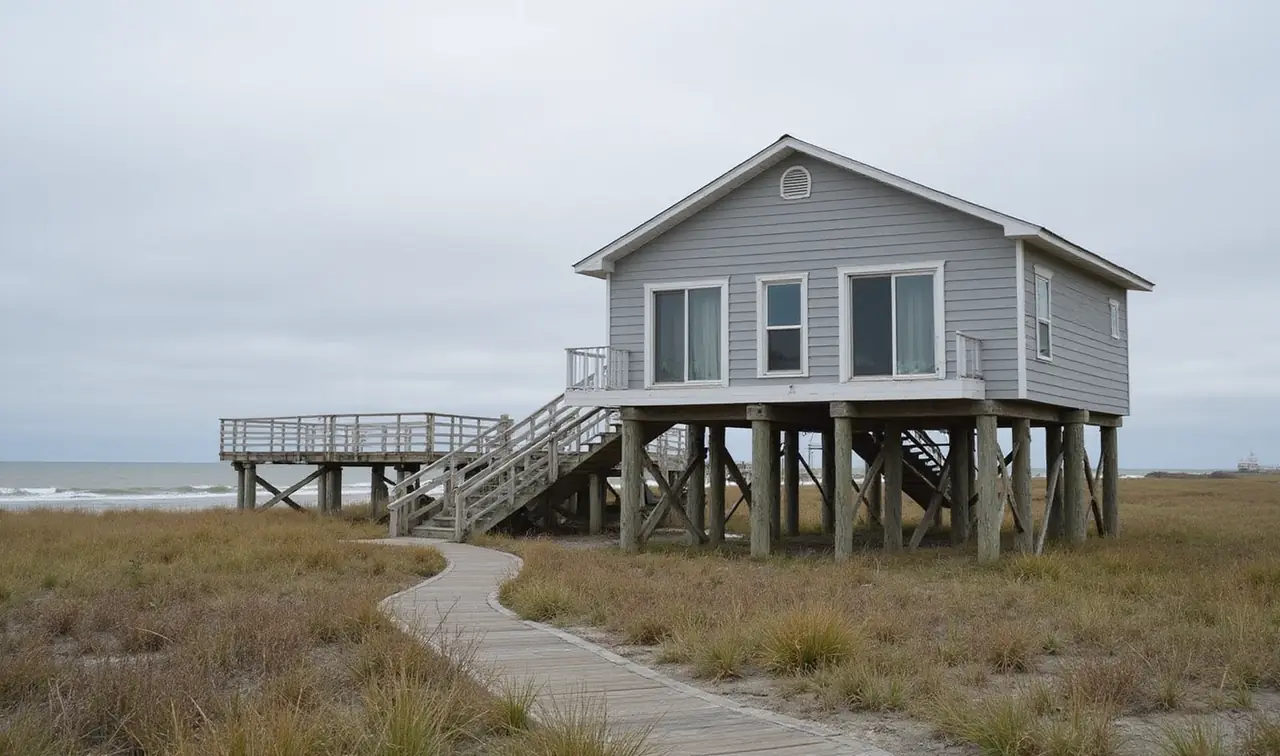
Mold is common in beach houses because salt air, high humidity and long stretches with no one home let moisture settle into closed-up rooms. If you own a vacation rental near Mount Pleasant, the fix is a regular inspection routine, steady A/C settings and a plan for the weeks after storms. This guide gives owners a practical checklist for Isle of Palms, Sullivan's Island and the nearby coast.
Why is mold common in a beach house?
Mold is common in a beach house because the coast supplies constant moisture and many beach properties sit empty or lightly used for days at a time. Mold needs moisture, a food source and time, and a closed house in a humid climate offers all three.
The Lowcountry is humid much of the year. On the barrier islands, salt air and sea breezes add to it, and sand and salt on surfaces can hold moisture. Raised homes sit above the ground, but their crawl spaces and pilings, vents and utility lines still bring humid air close to the floor system.
Isle of Palms and Sullivan's Island are barrier islands next to Mount Pleasant with many vacation homes and rentals. That mix of salt air, seasonal use and storm exposure is why owners there should stay ahead of moisture.
The gaps between guests are the risk
The gaps between guests are the biggest risk because an empty house with the A/C off or set very high lets humidity climb without anyone noticing. A week or two is enough for a musty smell to appear in a closed bedroom.
Mold can start on wet materials within 24 to 48 hours. A damp towel left in a bag, a wet swimsuit in a closet or a leak under a sink during a vacant week can be enough to start something that grows until the next arrival.
Signs to watch for between stays:
- A musty smell when you open the door.
- Fuzzy or speckled spots on closet walls, shoes and bedding.
- Condensation on windows or cold pipes.
- Stained ceiling tiles or bubbling paint.
- A sticky or clammy feel to the air.
A checklist for owners
A checklist works because it turns mold prevention into a short routine that you or a property manager can follow at every turnover. Keep it simple and check it every time.
- Walk in and smell before you do anything else.
- Read the indoor humidity on a hygrometer and note it.
- Check under every sink and around toilets for leaks.
- Inspect the ceiling below any upstairs bathroom or roof penetration.
- Look at the back of closets, headboards and dressers.
- Check the A/C drain pan and condensate line.
- Look at windows and sliding doors for condensation or staining.
- Run exhaust fans and check that they move air.
- Open the crawl space access and look for water, fuzz or wet insulation.
- Note anything that looks different from the last visit, with a photo.
Keep humidity below about 60 percent indoors. Many owners aim for 30 to 50 percent. If a reading is high, find out why before the next guest arrives.
If you find growth and are unsure how widespread it is, Mold Inspection and Testing in Mount Pleasant is the service to ask about when you are connected with an independent local company.
Crawl spaces and pilings under raised homes
Crawl spaces and pilings under raised homes need their own check because they hold moisture that you cannot see from the living space. Many homes in this area sit over vented crawl spaces, and white mold on joists and subfloor is common.
On the islands, humid sea air flows through vents and can condense on cooler joists and ducts. Look for wet insulation sagging from the floor system, standing water after rain and fuzzy growth on framing.
If you see it, Crawl Space Mold Removal in Mount Pleasant is the service to ask about. For owners on the islands, the nearby location pages for Mold Removal in Isle of Palms and Mold Removal in Sullivan's Island cover the same coastal concerns.
A/C settings while the house is empty
A/C settings while the house is empty matter because a system that is off or set too high cannot remove humidity. Setting the thermostat very high saves energy but can let moisture build in a Lowcountry summer.
Many owners choose a moderate setpoint and a humidity-control feature if their system has one, rather than shutting the system off. Whatever your choice, check that the condensate drain is clear, because a clogged line can flood a drain pan and soak the ceiling or floor below.
If you smell mold when the A/C starts, the system itself may be involved. EPA guidance says HVAC contamination usually needs a professional. HVAC and Duct Mold Removal in Mount Pleasant is the service to ask about in that case.
After a storm or king tide
After a storm or king tide, beach house owners should check for water intrusion within a day or two, because wind-driven rain and tidal flooding can wet areas that look dry on the surface. The Lowcountry gets hurricanes, tropical storms and tidal flooding in low areas.
Check windows, doors, the roof line, the attic, the crawl space and the ground floor. Remove standing water, open the house to airflow when conditions allow and dry wet materials quickly. EPA guidance says mold after flood or sewage water usually needs a professional.
For larger water events, Storm and Flood Mold Cleanup in Mount Pleasant is the service to ask about. Flood insurance is separate from homeowners coverage, and what applies depends on your policies, so check them and ask your agent.
Common mistakes owners make
The most common mistake owners make is treating a musty smell as a cleaning problem, because the odor usually comes from moisture, not dirt.
- Air fresheners instead of inspection. The smell fades and the source remains.
- Shutting the A/C off between stays. Humidity builds quickly.
- Skipping the crawl space. It is out of sight and often the source.
- Ignoring small leaks. A drip under a sink can run for a whole vacant week.
- Not keeping notes. Photos and dates show patterns and help later.
When to call a professional
You should call a professional when mold covers more than about 10 square feet, returns after cleaning, appears near the HVAC system, or follows flood or sewage water. For rental owners, it also helps to act before the next arrival, so the fix is done and the space is dry.
Mold Removal Mount Pleasant SC is a referral phone line. We connect you with an independent local mold remediation company that serves your area. That company inspects, explains scope and timing, and does the work directly with you. For the overall process, see Mold Remediation in Mount Pleasant.
For health questions, talk to your doctor. The CDC and the SC DES Indoor Mold page have guidance, and the SC DES mold hotline is 888-815-3509.
Frequently Asked Questions
These are common questions from beach house and vacation rental owners near Mount Pleasant.
Get help with Mold Removal in Mount Pleasant
If you own a beach house or rental and have found mold, call (888) 318-2605. You will be connected with an independent local mold remediation company that serves Mount Pleasant, Isle of Palms and Sullivan's Island.