Mold in Closets and on Furniture: Why It Happens Near the Coast
Mold on furniture and in closets is common in humid coastal homes. Learn why it happens in Mount Pleasant and what to do before it spreads.
Call now to speak to a specialist
Call (888) 318-2605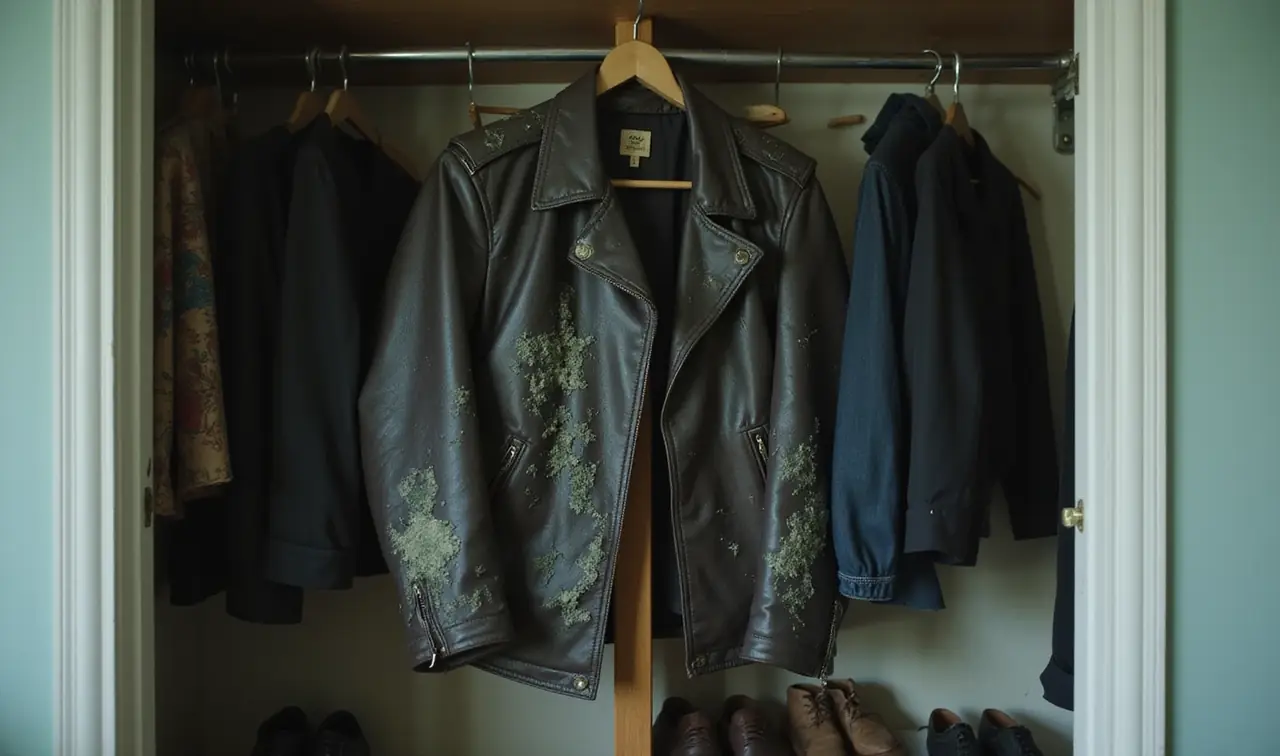
Mold grows in closets and on furniture near the coast because humid air, little airflow and cool exterior walls give moisture a place to settle. In Mount Pleasant the combination is common from late spring through fall. This post explains why it happens, how to handle small cases, and the point at which the problem is bigger than a closet.
Why does mold grow in closets and on furniture near the coast?
Mold grows in closets and on furniture near the coast because salt air and Lowcountry humidity keep indoor surfaces slightly damp, and closets and furniture backs rarely get airflow. Mold needs moisture, an organic surface and time, and a closed closet of cotton, leather and wood provides all three.
The Lowcountry is humid much of the year. Even when your air conditioner runs, rooms and closets can run cooler than the air outside, which causes condensation on exterior walls and cold surfaces. Add a closed door and clothes packed tightly, and moisture lingers.
Mold can start on wet materials within 24 to 48 hours. Slow humidity does not wet things that fast, but a week of stagnant, damp air can be enough for a visible film.
What closet and furniture mold looks like
Closet and furniture mold usually looks like fuzzy, powdery or speckled growth in white, gray, green or dark spots, often with a musty smell. It tends to start in the corners and along the back edges where air does not move.
Signs to look for:
- A dusty white or gray film on leather shoes, bags or belts.
- Dark specks on wooden furniture, especially along the back or underside.
- A musty smell that clings to clothing or upholstery.
- Staining or fuzz on the closet wall or baseboard.
- Cupped or soft drywall at the bottom of the closet.
Color does not identify the species, so do not guess based on how it looks. The more useful question is how much there is and what is wet underneath it.
Why closets are the usual first stop
Closets are the usual first stop for mold because they are enclosed, often built against exterior walls, and stuffed with fabric that traps moisture. A closet with no vent is basically a small, still box in a humid region.
In Mount Pleasant, a few local patterns add to it:
- Exterior walls. Closets against walls that face the marsh or the creek can run cool and damp.
- Older homes. In the Old Village, wall cavities and old windows can leak moisture inward after rain.
- Tight newer homes. In communities like Carolina Park or Dunes West, a sealed house with a small A/C problem can hold moisture in rooms that get little airflow.
- Slab and crawl space moisture. Rising moisture from below can affect first-floor closets.
If the closet wall is damp or stained, the problem may sit inside the wall. That is a building issue, and the broader term to know is Mold Remediation in Mount Pleasant, which covers finding the moisture and removing affected material rather than wiping surfaces.
Why furniture gets it too
Furniture gets mold because wood, upholstery and leather absorb moisture, and furniture placed tight against an exterior wall blocks the airflow that keeps surfaces dry. The back panel is the usual victim.
Beds pushed against a wall, dressers in a corner and sofas backed up to a window all create pockets of still air. Window units and A/C vents that blow cold air on one side can add condensation on the other.
Vacation homes and seasonal rentals have a particular pattern. When a house is closed up for weeks with the A/C set high or off, humidity climbs and furniture and linens suffer. Homes on the barrier islands see it often, which is why Mold Removal in Isle of Palms is a nearby page worth knowing.
What you can do at home
You can handle a small amount of surface mold on hard furniture yourself, because EPA guidance says under about 10 square feet is often a DIY job. Porous items like upholstery, mattresses and soft goods are harder to clean and may need to be discarded.
- Move the item outside or to a dry, ventilated area. This keeps spores from spreading through the house.
- Wear protective gear. Use gloves, eye protection and a well-fitting mask as EPA guidance describes.
- Clean hard surfaces. Wipe with detergent and water and dry thoroughly.
- Let it dry completely. Sunlight and airflow help.
- Discard what you cannot clean. Heavily affected soft items often cannot be saved.
Fix the moisture first. If you clean and the closet stays damp, growth returns. If you have symptoms or health concerns, talk to your doctor. The CDC and SC DES Indoor Mold page have guidance, and the SC DES mold hotline is 888-815-3509.
Keeping closets and furniture dry
Keeping closets and furniture dry comes down to airflow, humidity control and not trapping damp air against walls. A few habits make a real difference in Mount Pleasant's climate.
- Pull furniture a few inches away from exterior walls.
- Leave closet doors cracked or add a louvered door.
- Do not overpack closets, and leave space between hangers.
- Keep the A/C running in summer rather than switching it off while you are away.
- Keep indoor humidity below about 60 percent, and check it with a small hygrometer.
- Fix roof, window and plumbing leaks promptly.
A damp smell that travels through the house can mean the issue sits in the HVAC system. In that case, HVAC and Duct Mold Removal in Mount Pleasant is the service to ask about.
Common mistakes
The most common mistake with closet and furniture mold is cleaning the surface and leaving the humidity, because the growth returns within weeks.
- Spraying fragrance over it. The smell fades and the mold does not.
- Bleaching porous items. It does not reach inside fabric, wood or drywall.
- Storing damp items in plastic bins. Sealed containers trap moisture.
- Pushing furniture back against the same wall. The conditions are unchanged.
- Ignoring the wall. If the closet wall is soft or stained, the source is behind it.
When to call a professional
You should call a professional when mold covers more than about 10 square feet, keeps coming back, appears on the walls or ceiling, or spreads across several rooms. HVAC involvement is another sign that the problem is bigger than one closet.
Mold Removal Mount Pleasant SC is a referral phone line. We connect you with an independent local mold remediation company that serves your area. That company inspects, explains scope and timing, and does the work directly with you.
If you are not sure how far the growth extends, Mold Inspection and Testing in Mount Pleasant is the service to ask about. Homes farther out along US 17 face the same coastal humidity, and Mold Removal in Awendaw covers that area.
Frequently Asked Questions
These are common questions about mold on furniture and in closets in coastal homes.
Get help with Mold Removal in Mount Pleasant
If mold has spread past a single closet or keeps returning, call (888) 318-2605. You will be connected with an independent local mold remediation company that serves Mount Pleasant and nearby areas.